
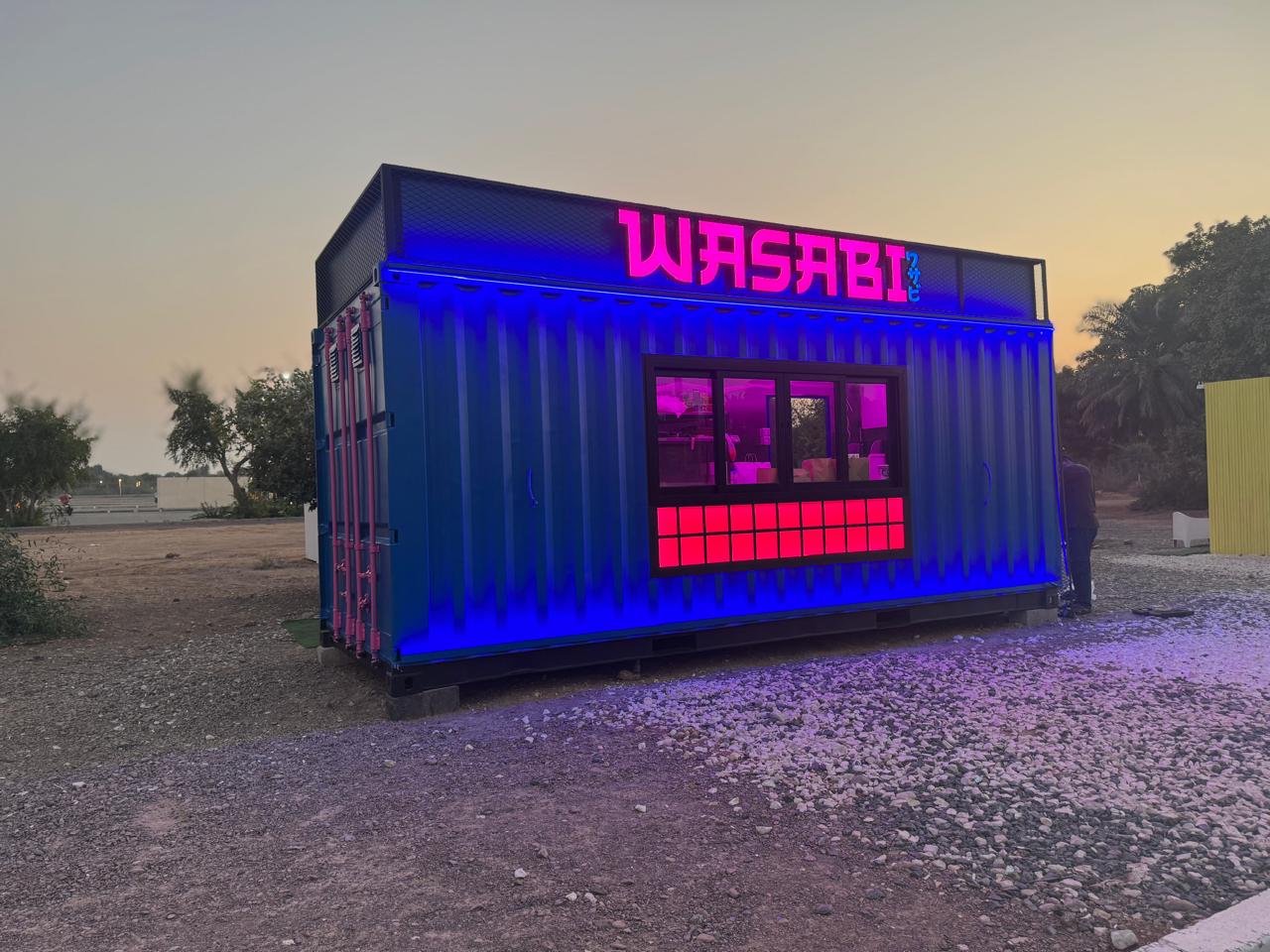
In recent years, shipping container homes have transformed from a niche trend into a mainstream housing solution — especially for those seeking affordable, eco-friendly, and modern living spaces. These homes are built using retired shipping containers, making them a smart, sustainable alternative to traditional construction.
In this blog, we will explore how shipping container homes are changing sustainable housing, and why they are becoming increasingly popular worldwide.
1. Sustainable Construction with Recycled Materials
Shipping container homes are built using recycled steel containers, which means:
- Fewer new construction materials are needed
- Less waste ends up in landfills
- Existing resources are reused efficiently
Instead of producing new building materials, container homes repurpose shipping containers that would otherwise be discarded.
Impact: This reduces the carbon footprint of construction and supports a circular economy.
2. Faster Construction and Reduced Waste
Traditional home construction can take months or even years. Shipping container homes, on the other hand, can be built much faster because:
- Containers are already pre-built structures
- Modular construction allows faster assembly
- Most of the work happens off-site (in workshops)
This reduces construction time and waste, making the entire process more efficient and eco-friendly.
3. Energy Efficiency and Green Design
Shipping container homes can be designed to be highly energy efficient with:
- Proper insulation (spray foam, mineral wool, etc.)
- Solar panels for electricity
- Energy-efficient windows and doors
- Smart home systems for temperature control
These features reduce energy consumption and make container homes more sustainable in the long term.
4. Cost-Effective Housing Solution
One of the biggest benefits of container homes is affordability. They provide a lower-cost alternative to traditional homes because:
- Shipping containers are relatively inexpensive
- Construction time is shorter
- Less labor is required
- Modular designs reduce material costs
This makes container homes ideal for:
- First-time homeowners
- Affordable housing projects
- Remote or off-grid living
5. Adaptability and Flexibility
Container homes are highly adaptable. They can be:
- Stacked vertically or arranged horizontally
- Converted into tiny homes, offices, cafes, or guest houses
- Easily relocated if needed
This flexibility supports modern lifestyles, especially for people who value mobility and sustainability.
6. Supporting Urbanization and Smart City Planning
As cities grow, container homes offer a practical solution for urban housing challenges:
- Efficient use of limited space
- Faster housing development
- Potential for modular community housing projects
- Ideal for temporary housing during emergencies
In urban areas, container homes can support smart city planning and help reduce housing shortages.
7. Promoting Sustainable Living and Minimalism
Container homes encourage a minimalist lifestyle by promoting:
- Efficient use of space
- Reduced consumption
- Simple living with fewer belongings
This lifestyle aligns with sustainable living values and encourages people to make environmentally conscious choices.
Conclusion
Shipping container homes are more than just a trend — they are a game-changer in sustainable housing. With recycled materials, faster construction, cost-efficiency, and flexible design, container homes are reshaping the future of housing.
If you’re interested in sustainable living or affordable housing solutions, shipping container homes are an option worth considering.
Hi, this is a comment.
To get started with moderating, editing, and deleting comments, please visit the Comments screen in the dashboard.
Commenter avatars come from Gravatar.