

Welcome To Prosperous Car Converters

How to Launch a Profitable Food Truck Business in 2026

Starting a food truck business is one of the most exciting and profitable ventures today. It offers flexibility, lower startup costs than a full restaurant, and the ability to reach customers directly wherever they are.

At PKC Garage, we understand the importance of having a reliable vehicle and smooth operations. That’s why we’ve created this guide to help you launch a profitable food truck business in 2026—from selecting the right vehicle to staying compliant and maintaining peak performance.

1. Choose the Right Vehicle for Your Food Truck

The first step is selecting a reliable vehicle that can handle the workload.

At PKC Garage, we recommend choosing:

  • A sturdy truck or van with a strong engine
  • A vehicle with ample space for kitchen setup
  • A model with good fuel efficiency
  • One that supports custom modifications

Tip: Choose a vehicle that can withstand daily use and frequent movement.

2. Customize Your Vehicle with a Smart Kitchen Layout

A well-designed kitchen is key to profitability.

Your layout should include:

  • Cooking equipment placement
  • Storage for ingredients
  • Water and waste management
  • Power supply (generator or battery system)
  • Ventilation and safety systems

PKC Garage can help ensure your vehicle is structurally ready for modifications, including weight distribution, suspension, and safety checks.

3. Ensure Your Vehicle Is Safe and Road-Ready

Food trucks spend a lot of time on the road, so regular maintenance is crucial.

You should focus on:

  • Engine and transmission health
  • Brake system performance
  • Tire quality and alignment
  • Battery and electrical system
  • Cooling system and air conditioning

PKC Garage offers full vehicle inspection and maintenance services to keep your food truck running smoothly.

4. Legal Requirements & Permits

To operate legally, you must have:

  • Business license / trade license
  • Food safety certification
  • Vehicle registration & inspection
  • Location permits
  • Staff health certificates

In the UAE, these requirements vary by emirate, so it’s important to confirm with local authorities.

5. Build a Strong Brand and Menu

Your food truck must stand out.

Focus on:

  • A catchy name and logo
  • A unique menu that’s easy to prepare
  • High-quality ingredients
  • A consistent customer experience

 Tip: Keep your menu simple to maintain fast service and reduce waste.

6. Market Your Food Truck Smartly

Marketing is key to getting customers.

Use:

  • Social media (Instagram, TikTok, Facebook)
  • Food truck location updates
  • Collaborations with events and influencers
  • Promotions and loyalty programs

7. Optimize Your Operations for Profit

To maximize profit, track:

  • Daily sales
  • Ingredient costs
  • Food waste
  • Peak business hours

PKC Garage can also help with fleet management if you expand to multiple trucks, ensuring all vehicles are maintained and road-ready.

8. Scale Your Food Truck Business

Once you are profitable, consider expanding:

  • Add a second food truck
  • Offer catering services
  • Open a small restaurant
  • Franchise your concept

Conclusion

Launching a profitable food truck business in 2026 is achievable with the right vehicle, planning, and operational strategy. At PKC Garage, we support entrepreneurs by ensuring their food truck vehicles are safe, reliable, and ready for the road.

If you’re planning to start a food truck business, contact PKC Garage for vehicle inspection, maintenance, and modification support.

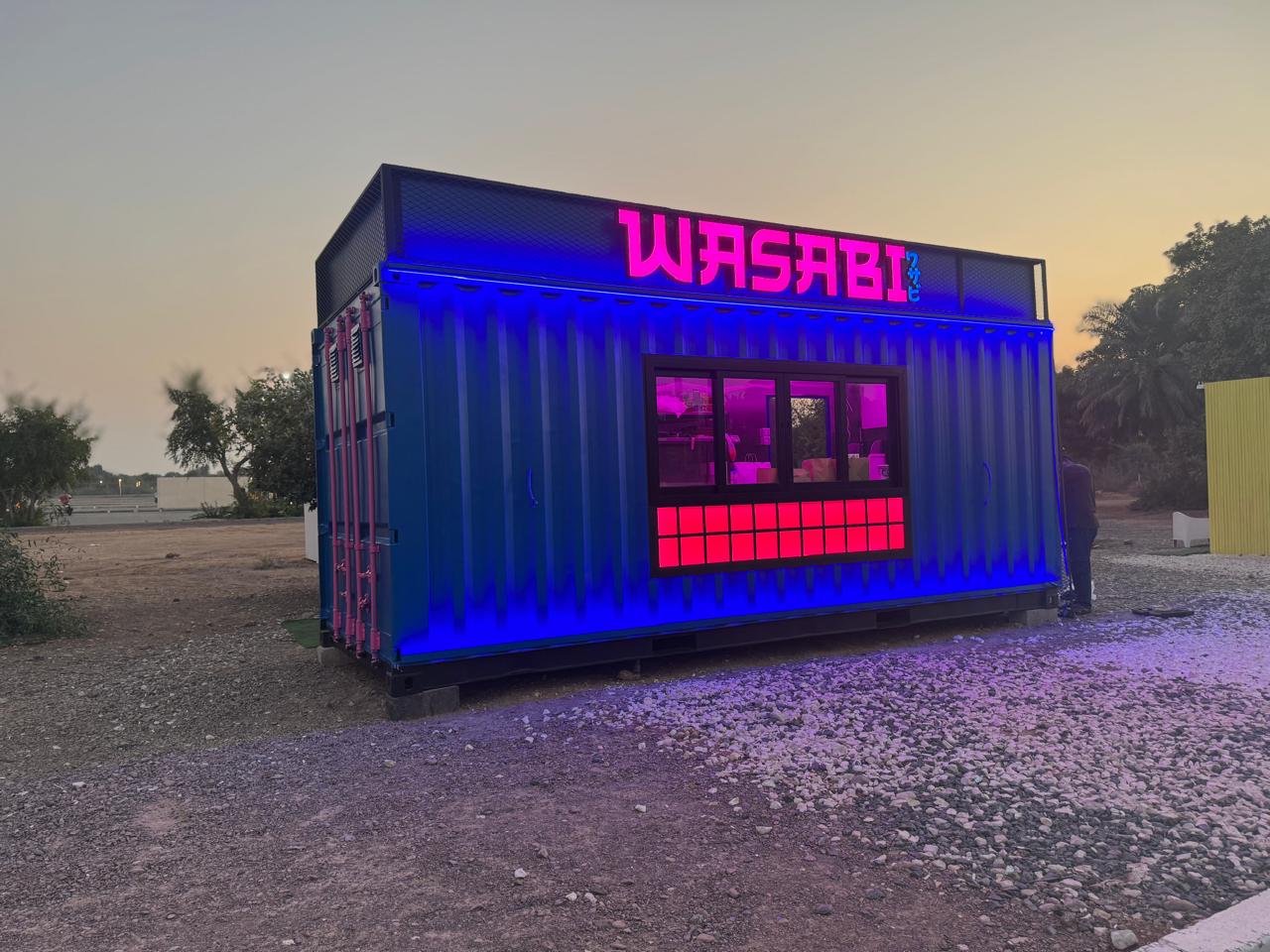
How to Get a Food Truck Permit in UAE: Required Documents & Process

Starting a food truck business in the UAE is an exciting opportunity, especially with the growing demand for street food, events, and mobile catering. However, the first and most important step is obtaining a food truck permit — a legal requirement to operate safely and professionally.

In this guide, we’ll explain the required documents and the process to get a food truck permit in the UAE, and how PKC Garage can support you with vehicle readiness and compliance.

1. Understand the Type of Permit You Need

In the UAE, food truck permits can vary based on:

  • Location (Dubai, Abu Dhabi, Sharjah, etc.)
  • Type of food service (street vending, events, catering)
  • Whether you operate from a dedicated truck or a mobile kitchen

Before applying, you must identify the correct permit category based on your business model.

 2. Key Documents Required for Food Truck Permit

Here’s a complete checklist of documents typically required in the UAE:

A. Business & Ownership Documents

  • Passport copy of owner(s)
  • UAE residency visa & Emirates ID (if applicable)
  • Trade name reservation certificate
  • Trade license / business license

B. Food Safety & Hygiene Documents

  • Food safety certification (HACCP)
  • Food handler certificates for staff
  • Health and medical fitness certificates

C. Vehicle & Equipment Documents

  • Vehicle registration and ownership documents
  • Vehicle inspection certificate
  • Truck layout and kitchen design plan
  • Equipment list and safety certificates

D. Location & Operating Documents

  • Location permit (approved operating areas)
  • No Objection Certificate (NOC) from the landlord or event organizer
  • Waste management plan

3. Step-by-Step Process to Get the Food Truck Permit

Here is a simplified process you can follow:

Step 1: Register Your Business

Register your business with the relevant authority (e.g., Dubai Economy & Tourism or Abu Dhabi DED) and obtain your trade license.

Step 2: Prepare Your Vehicle

Ensure your food truck is fully compliant and road-safe. This includes:

  • Vehicle inspection
  • Electrical safety
  • Fire safety equipment
  • Kitchen layout compliance

 PKC Garage can help with full vehicle readiness, modification support, and safety checks.

Step 3: Apply for Food Safety Certification

Submit your food safety plan and get approval from the Municipality Food Safety Department.

Step 4: Submit Documents for Permit

Submit all required documents to the relevant municipality or licensing authority.

Step 5: Inspection & Approval

A food safety inspector will review:

  • Hygiene standards
  • Kitchen setup
  • Waste disposal plan
  • Vehicle safety and cleanliness

Once approved, you will receive your food truck permit.

 4. Common Reasons for Permit Rejection

To avoid delays, here are common issues that can cause rejection:

  • Incomplete or missing documents
  • Unapproved truck layout or kitchen design
  • Poor hygiene standards
  • Lack of proper waste disposal
  • Unlicensed staff or missing food handler certificates

 5. How PKC Garage Supports Your Food Truck Permit

At PKC Garage, we help entrepreneurs with:

  • Vehicle inspections & maintenance
  • Truck modification support
  • Safety checks (fire, electrical, structural)
  • Road readiness & compliance

Our goal is to ensure your vehicle meets all regulatory requirements before you submit your permit application.

Conclusion

Getting a food truck permit in the UAE requires careful planning, correct documentation, and strict compliance with food safety and vehicle standards. But with the right preparation, the process can be smooth and quick.If you’re planning to launch a food truck business, PKC Garage is here to help you ensure your vehicle is fully compliant and ready for operation.

How Shipping Container Homes Are Changing Sustainable Housing

In recent years, shipping container homes have transformed from a niche trend into a mainstream housing solution — especially for those seeking affordable, eco-friendly, and modern living spaces. These homes are built using retired shipping containers, making them a smart, sustainable alternative to traditional construction.

In this blog, we will explore how shipping container homes are changing sustainable housing, and why they are becoming increasingly popular worldwide.

1. Sustainable Construction with Recycled Materials

Shipping container homes are built using recycled steel containers, which means:

  • Fewer new construction materials are needed
  • Less waste ends up in landfills
  • Existing resources are reused efficiently

Instead of producing new building materials, container homes repurpose shipping containers that would otherwise be discarded.

 Impact: This reduces the carbon footprint of construction and supports a circular economy.

2. Faster Construction and Reduced Waste

Traditional home construction can take months or even years. Shipping container homes, on the other hand, can be built much faster because:

  • Containers are already pre-built structures
  • Modular construction allows faster assembly
  • Most of the work happens off-site (in workshops)

This reduces construction time and waste, making the entire process more efficient and eco-friendly.

3. Energy Efficiency and Green Design

Shipping container homes can be designed to be highly energy efficient with:

  • Proper insulation (spray foam, mineral wool, etc.)
  • Solar panels for electricity
  • Energy-efficient windows and doors
  • Smart home systems for temperature control

These features reduce energy consumption and make container homes more sustainable in the long term.

4. Cost-Effective Housing Solution

One of the biggest benefits of container homes is affordability. They provide a lower-cost alternative to traditional homes because:

  • Shipping containers are relatively inexpensive
  • Construction time is shorter
  • Less labor is required
  • Modular designs reduce material costs

This makes container homes ideal for:

  • First-time homeowners
  • Affordable housing projects
  • Remote or off-grid living

5. Adaptability and Flexibility

Container homes are highly adaptable. They can be:

  • Stacked vertically or arranged horizontally
  • Converted into tiny homes, offices, cafes, or guest houses
  • Easily relocated if needed

This flexibility supports modern lifestyles, especially for people who value mobility and sustainability.

6. Supporting Urbanization and Smart City Planning

As cities grow, container homes offer a practical solution for urban housing challenges:

  • Efficient use of limited space
  • Faster housing development
  • Potential for modular community housing projects
  • Ideal for temporary housing during emergencies

In urban areas, container homes can support smart city planning and help reduce housing shortages.

7. Promoting Sustainable Living and Minimalism

Container homes encourage a minimalist lifestyle by promoting:

  • Efficient use of space
  • Reduced consumption
  • Simple living with fewer belongings

This lifestyle aligns with sustainable living values and encourages people to make environmentally conscious choices.

Conclusion

Shipping container homes are more than just a trend — they are a game-changer in sustainable housing. With recycled materials, faster construction, cost-efficiency, and flexible design, container homes are reshaping the future of housing.

If you’re interested in sustainable living or affordable housing solutions, shipping container homes are an option worth considering.